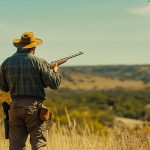


The best hunting setup is not automatically the newest, largest or most specialized one. It is the arrangement that matches the terrain, weather, access route, legal requirements and your ability to make a clean, responsible decision. Many poor outings begin with a gear choice made before the conditions are understood. A short check of wind, visibility, ground moisture, animal movement and equipment condition can prevent avoidable mistakes while making the hunt quieter, safer and more respectful of the resource.
Start with the conditions, not the equipment
Weather affects more than comfort. Wind direction and strength influence scent, sound and the practical value of a particular position. Rain can soften tracks and reduce noise underfoot, but it can also make roads, slopes and creek crossings hazardous. A cold front may alter movement, while a sudden warm spell can change when deer use cover or water. These patterns are useful clues, not guarantees.
Before leaving, compare the forecast with the actual conditions at the property. Look for changes in wind rather than relying on one forecast snapshot. Note whether the ground is dry, muddy, frozen or slick. If visibility is poor enough that identifying the animal, antler status or backstop would be uncertain, the correct decision may be to wait.
For Texas deer hunting, local habitat can matter as much as the broad forecast. A wooded creek bottom, open pasture and brushy transition area may experience different wind and movement conditions on the same day. Choose a location based on current access, visibility and safe shot opportunities rather than assuming a familiar spot will always perform the same way.
Let deer behavior refine the plan
Weather and deer behavior are connected, but the relationship is not a simple formula. Deer respond to pressure, food availability, cover, water, temperature changes and disturbance. Fresh tracks, newly used trails, browse marks and droppings can show that animals are present, yet they do not prove that a particular stand or blind is the right choice.
Read the sign alongside the conditions. A trail crossing may be active, but approaching it with the wind blowing toward bedding cover can turn a promising location into a disturbance point. A feeding area may look attractive late in the day, but the route you use to reach it could push animals out before the hunt begins.
The useful question is not, "Where are the deer?" It is, "Which position gives me a clear, ethical opportunity without creating unnecessary pressure?" That shift encourages patience and helps protect the quality of the property for future hunts.
Match the setup to the ground
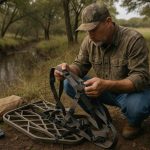
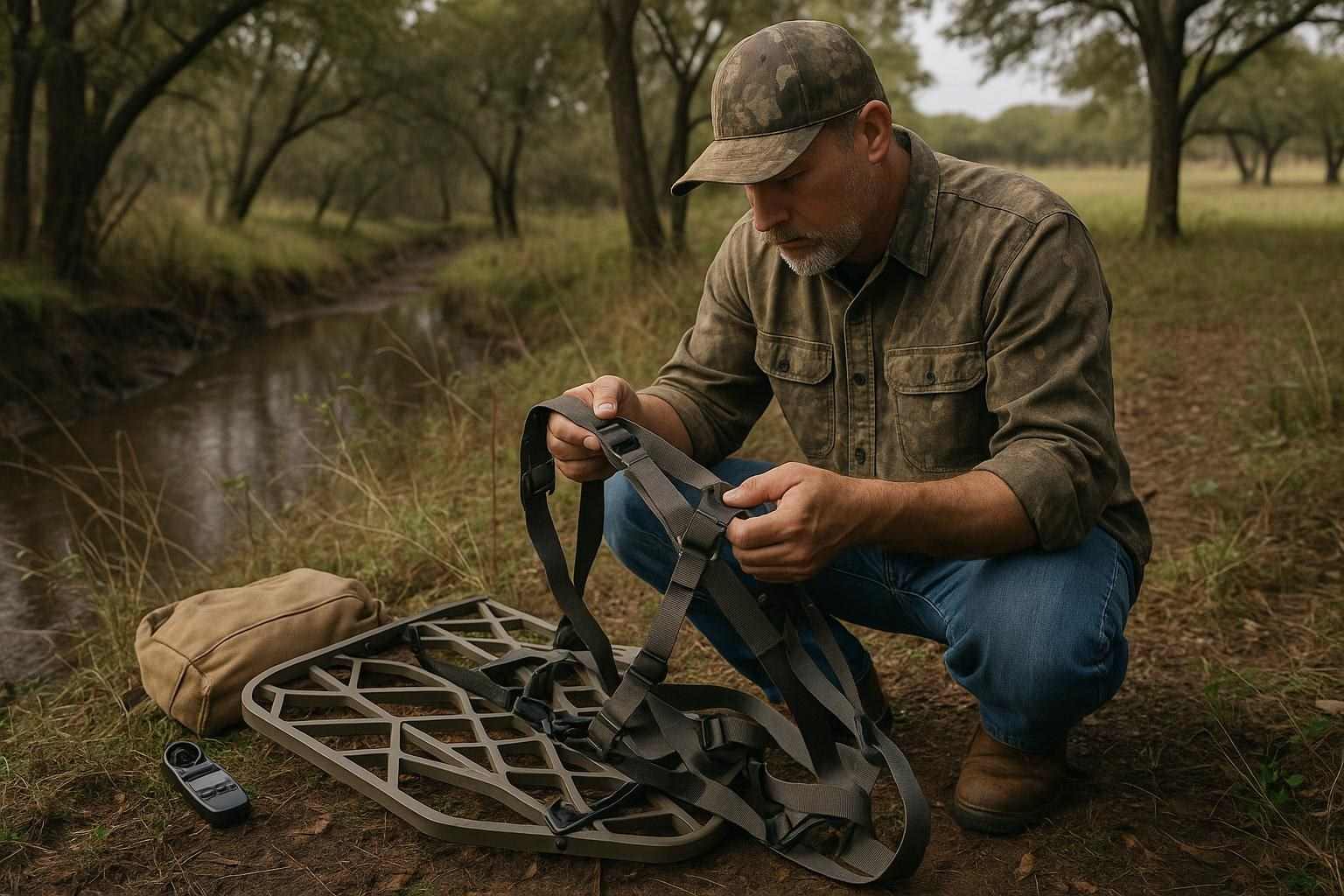
A blind, tree stand or ground position should solve a specific problem. Select a tree stand only after checking the tree, attachment points, climbing route and landing area. Inspect for corrosion, frayed straps, cracked stitching, loose hardware and signs of weather damage. Any safety equipment with an uncertain history should be replaced or professionally evaluated rather than trusted because it worked last season.
Ground setups need their own checks. Confirm that the position does not block a trail, damage sensitive vegetation or place you where a safe backstop is missing. Keep shooting lanes limited to areas you can identify clearly. Branches that seem minor from the ground can deflect a projectile or obscure an animal at the wrong moment.
Concealment should never outrank visibility, stability or a clean field of view. If a setup requires awkward movement, a rushed shot or shooting through uncertain cover, it is not ready, regardless of how well it blends into the habitat.
Use a simple readiness check
A short checklist is most useful when it catches problems before they become field decisions:
– Confirm season dates, tagging requirements, license details, permitted methods and property rules using current official guidance. Regulations can change, so do not rely on an old summary or memory.
– Check the forecast, wind shifts, precipitation and access conditions close to departure.
– Inspect footwear, clothing, optics, lights, navigation tools, communication equipment and any stand or blind components for damage.
– Verify that essential gear is quiet, dry and easy to reach without excessive movement.
– Identify the safe direction of fire, backstop, no-shoot areas and the limits of your effective range.
– Tell a trusted person where you will be and when to expect a check-in.
This is not busywork. A missing strap, dead battery or unclear property boundary can change the risk of an outing quickly.
Treat laws and boundaries as part of preparation
Ethical hunting begins before entering the woods. Review current state and local rules, landowner instructions, seasonal restrictions and any requirements related to tagging, reporting or transportation. Requirements may change, and general advice cannot replace the current guidance from the relevant wildlife agency or property authority.
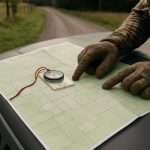
Boundaries deserve special attention where public and private land meet or where access routes cross neighboring properties. Use reliable maps, mark known limits and avoid guessing from an old fence line. If permission, identification or legal conditions are unclear, pause and verify them before proceeding.
Conservation is also expressed through restraint. Passing on an uncertain shot, leaving a pressured area alone or choosing not to drive a muddy route can protect habitat and wildlife even when those choices produce no immediate result.
Know which warning signs to respect
Some symptoms should not be ignored: repeated equipment failure, unexplained movement in a stand, worsening weather, damaged access roads, poor visibility, shifting wind that compromises the position or an animal that cannot be identified with confidence. None is a challenge to overcome with optimism.
A practical hunter adjusts the plan when conditions change. That may mean moving to a safer location, shortening the hunt or leaving entirely. The goal is not to force a result from an imperfect day. It is to make decisions that preserve safety, animal welfare, land health and future opportunity.
A deliberate setup starts with observation, continues with maintenance and ends with accountability. Gear matters, but judgment determines when that gear belongs in use.