

The Limitations of Relying on Old Hunting Maps
Navigating the hunting landscape well needs more, than a hunting map. Many things, such as changing property lines, access agreements that have expired and new rules can make old hunting information useless. Using a screenshot from a map can cause problems while you are hunting. To have a good hunting day you must check that your information is still true before you go. A quick careful check can stop you from trespassing or fighting over access. Save you from wasting time in places that're no longer legal hunting areas.
Verify Legal Information Before Anything
Mapping apps can show you where you are. They do not give the legal permission for hunting. It is very important to tell the difference between the tools that help you navigate and the official papers that allow your hunting.
Start by looking at the rules from your state or provincial wildlife office. Find out the hunting season dates, which species can be hunted what weapons are allowed if you must tag your animals and the rules for land. Old hunting data can become wrong fast so always use the guidelines.
When you go to a property double‑check what hunting you can do and what hunting you cannot do. Not all public access points allow all hunting activities and private land requires the owner's permission before you hunt. Be careful: write down the property description, the dates, the owner's phone number and any rules about where you can park or bring guests.
Prepare for Outages with Offline Resources
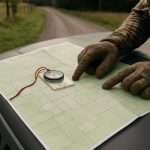
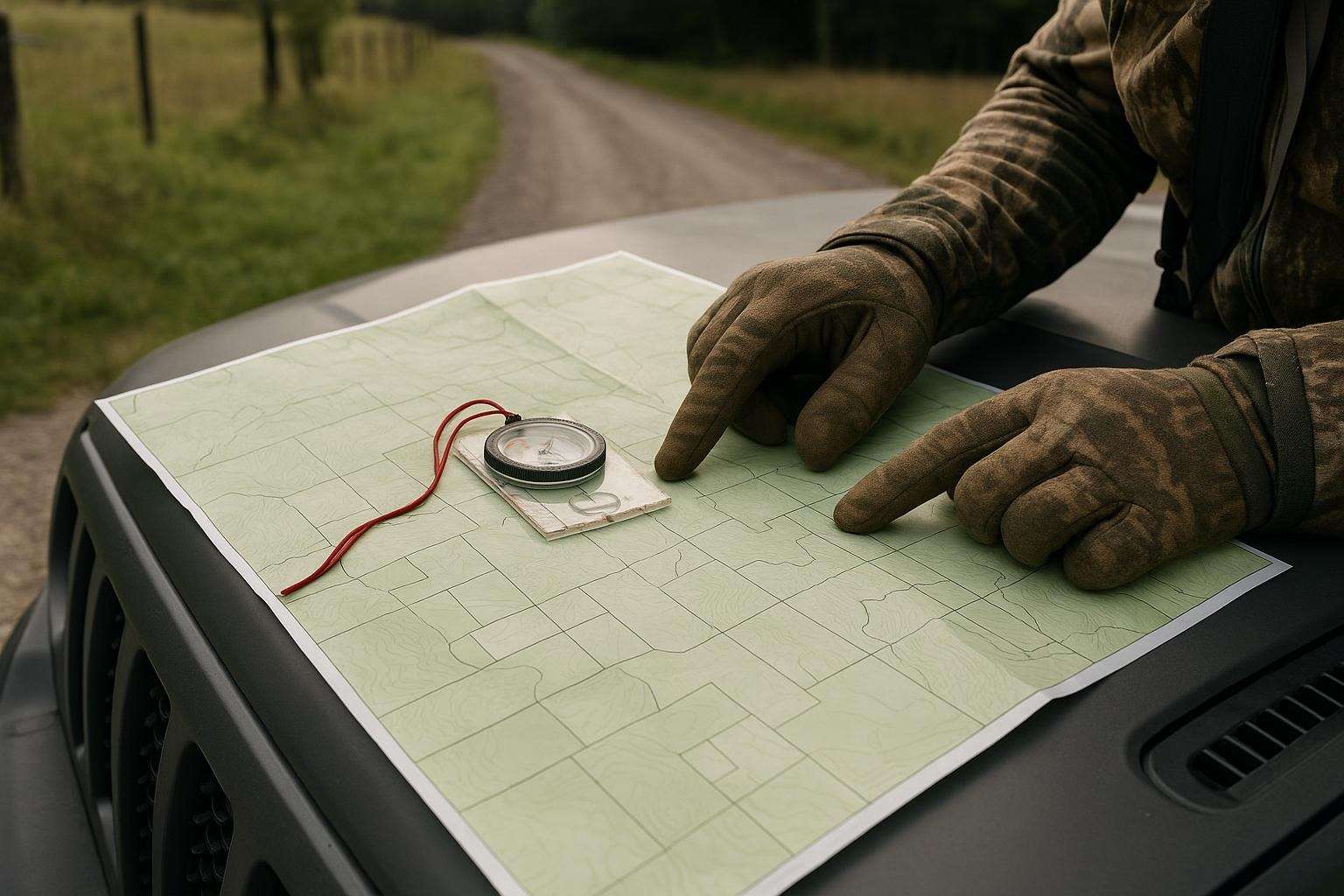
Relying on technology can cause trouble. Your phone battery may run out. You might be in a place with no signal. That is why hunting references are very important. Bring a printed map that shows details like roads, rivers and nearby parcels that could affect your hunting.
Before you leave look at an public land map and current aerial pictures. This helps you see changes such as streams that have moved or new fences that could change your hunting route. Seeing these changes shows where you might need confirmation or permission from landowners before you hunt. Always have a plan if your electronic device stops working.
Scouting the Access Route
Make it a top job to look at your access route while it is light. Get to know the points such as parking spots, gates, livestock and houses or other access points near you. Do not think a map says you can ignore barriers; never open a gate because it shows open on your device.
Watch the area for signs of activity whether from people or wildlife. Trails that are kept well farms that are working and known hunting spots can mean the land has changed since you last hunted there. By scouting before you hunt you can avoid fights. Show respect while you hunt.
Understand Permission Dynamics
Access permission does not always mean hunting permission. A landowner might let you come in to fetch a downed animal or to scout. May still stop you from hunting. It is very important to ask the landowner about this.
Remember that permission can change. The owner may change a lease could. The person who gave permission might not control the land anymore. If you are unsure stop your hunting plans until you have confirmation from the authority.
Stay Updated on Hunting Regulations
Before you go it is smart to double‑check any rules about hunting dates, entry limits, reporting and other legalities that could affect your hunting. Rules can be very different in each area so look at the sources.
Match your checks to your hunting plan especially if you hunt close to property lines. Make sure you know the required distances from homes, roads or other buildings in your hunting area.
If you hunt with a partner make sure both of you know all the rules and details. If you are unsure talk to the agency.
Quick Checklist for Last‑Minute Confirmation
– Confirm all hunting rules and season details from sources.
– Verify hunting permission, with the property owner.
– Ensure hunting maps and printed references are. Accessible.
– First check access routes, parking options and any visible activity, during daylight.
– Second prepare all licenses, permits, identification and safety gear.
– Third develop a plan to cover issues such as weather changes or land use changes.
Effective hunting preparation often needs a willingness to reevaluate plans when new facts arrive. I find that being ready to change plans helps me stay safe and respectful.
Adapt Your Plans When Necessary
If you encounter uncertainties regarding boundaries do not push forward while hoping for the outcome. Instead choose a location, with access or return another day. It may feel inconvenient. This careful approach preserves your access relationships and protects the environment. I have seen that staying cautious keeps my access relationships strong and the land safe.
Conservation ethics should guide every step of your journey-from avoiding disturbances to keeping vehicles on approved paths. Ensure you comply with restrictions. Leave each site exactly as you found it. Thoughtful preparation gives you a hunt plan that prioritizes ethical standards leaving you well‑prepared for an outing. I always remember that conservation ethics guide my journey and that makes my outings successful.